Relvay makes a pregnancy pillow. We also tell you below when you should not buy one.
The short answer
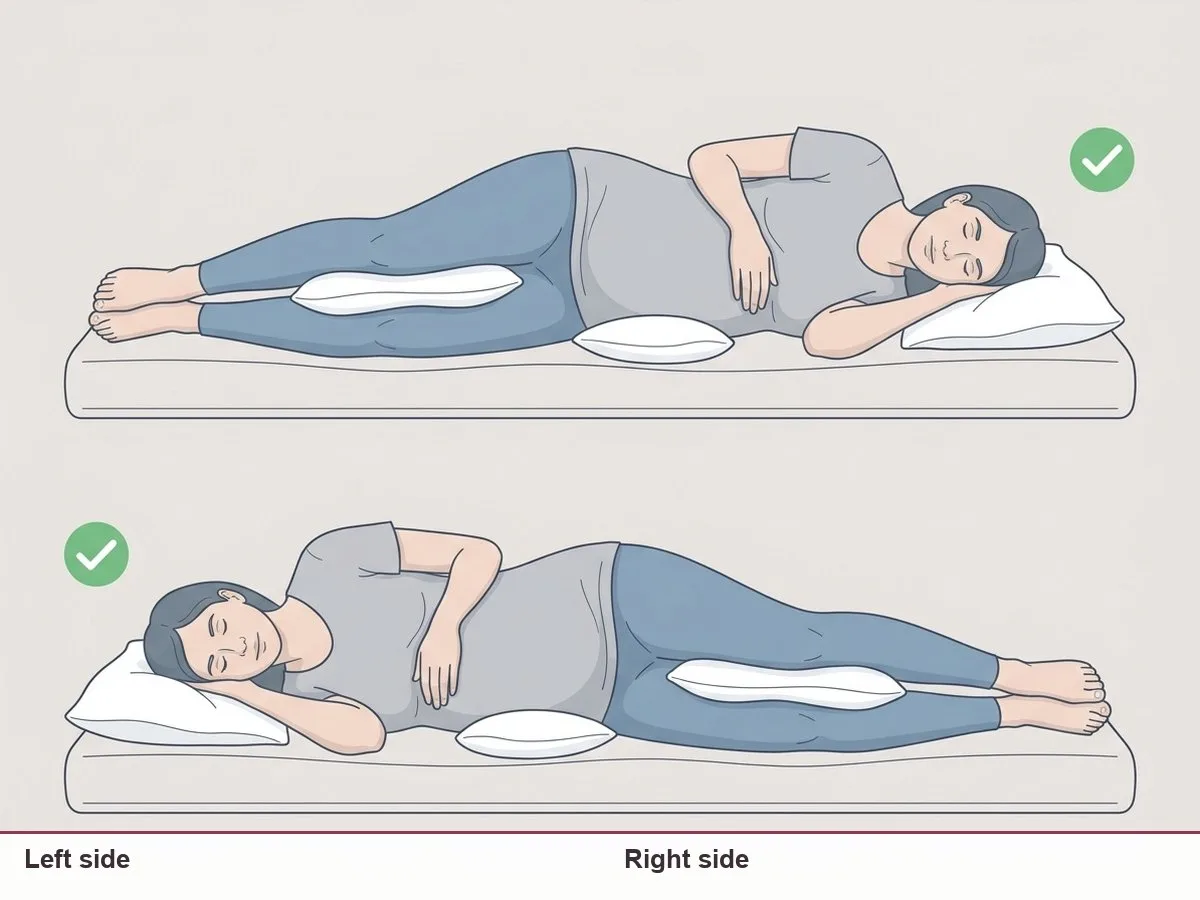
Yes, for most people. The NHS says the safest position to go to sleep in is on your side, either left or right. Some US hospital pages favor the left for blood flow, but a 2019 pooled review found the two sides equally safe.
- The main point: go to sleep on your side.
- Left or right: pick the one you can sleep on.
- Ask your midwife if you were given specific advice.
Why do so many people say left is better?
Because of a large vein, the inferior vena cava, that runs up the right side of your body. Lying on your left takes the weight of the womb away from it, so the left side has long been described as the better choice for blood flow.
12:40 a.m.
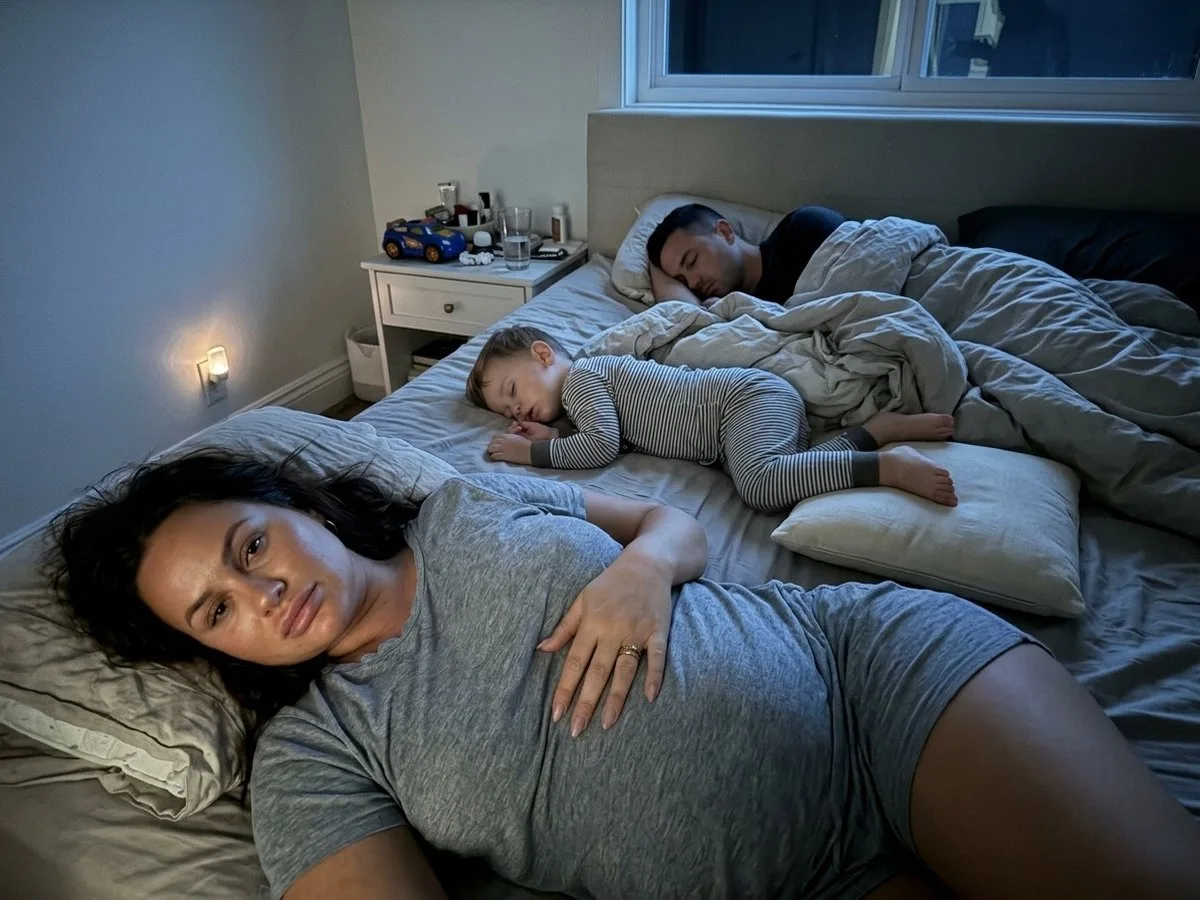
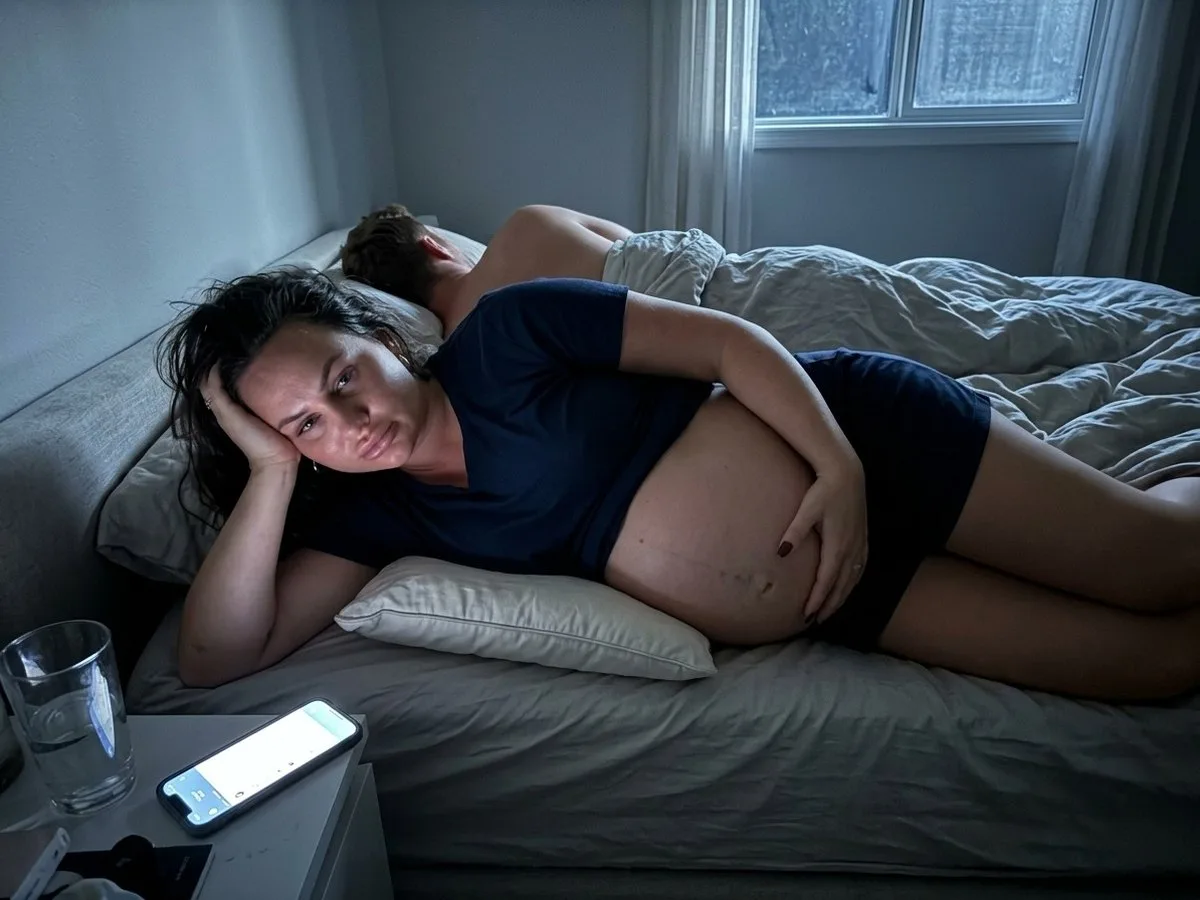
I have slept on my right side since I was a kid. At 26 weeks, every app, every forum and my aunt told me left, left, left. So I lay on my left, wide awake, staring at the wall, then gave up and turned right, and felt guilty until I fell asleep.
That went on for two weeks before I actually looked up what my own health service said.
"Well at 26 weeks, which ever way i turn is super painful especially the hip joints"YouTube comment on a pregnancy sleep video
Advice repeated often is not the same as advice that says only one side will do.
What does the guidance actually say about left and right?
The sources agree on the main point, going to sleep on your side, and differ only on how strongly they prefer the left. None of the sources below says the right side is something to avoid.
| Source | What it says | How strong |
|---|---|---|
| NHS (UK health service) | The safest position to go to sleep in is on your side, either left or right. | Either side, no preference |
| Cedars-Sinai (US hospital) | The side is the best position. The left is especially good because it allows the most blood flow. | Side, with a lean to the left |
| Healthline (medically reviewed) | Calls the left ideal for blood flow, notes a slight compression risk on the right, and cites a 2019 review that found equal safety for both sides. | Left preferred, right acceptable |
The disagreement is about preference, not about the right side being off limits.
Why does the advice differ between sources?
Mostly because older advice was built on how the body works, while newer pooled research compared how the two sides actually turned out. That is why some sources now say either side, while others still mention the left as a gentle tip.
- Reasoning from the body. The large vein sits on the right, so lying left seemed kinder to it. That logic still appears on many hospital pages.
- Pooled research. A 2019 review, as summarised by Healthline, combined data from several studies and found the left and right sides equally safe for going to sleep.
- How it is written up. A national service like the NHS gives one simple message for everyone: your side, either one. A hospital page may keep the older tip alongside.
So if your app says left and the NHS says either, they are not truly in conflict. One is a preference, the other is the minimum that matters.
What if one side is uncomfortable?
Use the side you can sleep on, and switch whenever you need to. Turning from side to side through the night is normal, and support in the right places makes both sides easier.
| What is happening | What to try |
|---|---|
| One hip aches by morning | Alternate sides. Put a pillow between your knees so the top leg stays level. |
| Heartburn at night | The NHS says sleeping on your left side can help, along with propping your head and shoulders up and not eating within 3 hours of bed. |
| You cannot settle on the left | Sleep on the right. The NHS says either side is fine. |
| Turning over hurts your pelvis | Turn slowly with your knees together, and tell your midwife or GP. The NHS lists pain when turning over in bed as a reason to call. |
For a full setup with regular pillows, see our pregnancy sleep guide.
What should you ask your midwife or doctor?
Ask whether there is any reason the general advice does not apply to you. Some people are given specific guidance for their own pregnancy, and that advice comes first.
- Is there anything in my pregnancy that means I should favor one side?
- My natural side is the right. Is that fine for me?
- One side gives me hip or pelvic pain. What can help, and should I see a physiotherapist?
- I have heartburn most nights. Should I sleep on my left or propped up?
- Is there anything that should make me call you about my sleep?
Writing your questions down before an appointment makes them easier to ask. Our guide on talking to your care team about sleep has a simple template.
Natalie asked her midwife the second question at her 28-week appointment. The answer took ten seconds: either side is fine, go to sleep on whichever lets you sleep. She went home, put a pillow between her knees, turned right and slept without the guilt.
General information only. It does not replace advice from the midwife or doctor who knows your pregnancy.
Frequently asked questions
Is it bad to sleep on your right side while pregnant?
No, not for most people. The NHS says the safest position to go to sleep in is on your side, either left or right. If you have been given specific advice for your pregnancy, follow that.
Why is the left side recommended in pregnancy?
A large vein runs up the right side of the body, and lying on the left keeps the weight of the womb off it. Some hospitals still favor the left for that reason, while the NHS says either side is fine.
Can I switch sides during the night?
Yes. Changing sides is normal. A pillow between your knees and one under your bump can make each turn more comfortable.
Which side is better for heartburn in pregnancy?
The NHS says sleeping on your left side can help with heartburn, along with propping your head and shoulders up and not eating within 3 hours of bed.
What if I wake up on the other side?
Nothing to worry about. Turning in your sleep is normal. Settle on whichever side is comfortable and go back to sleep.
If side sleeping itself is the hard part, our pregnancy pillow buying checklist explains what to look for in a pillow that supports either side.
Natalie's story is a composite based on public posts from pregnant side sleepers. Names and details are changed.