Relvay makes a pregnancy pillow. We also tell you below when you should not buy one.
The short answer
Pick the cover by its label and how it is made, not by its name. Fiber content, weave or knit, and the care label tell you how it will feel and wash.
- Woven cotton: crisp, smooth, little stretch.
- Jersey: soft T-shirt knit that stretches over curves.
- Bamboo-viscose and plush: read the label; heat and grip vary by product.
Why does the cover fabric matter so much?
The cover is the only part of the pillow your skin touches. It decides how the pillow feels at bedtime, whether it slides on the sheet, and how much work washing will be.
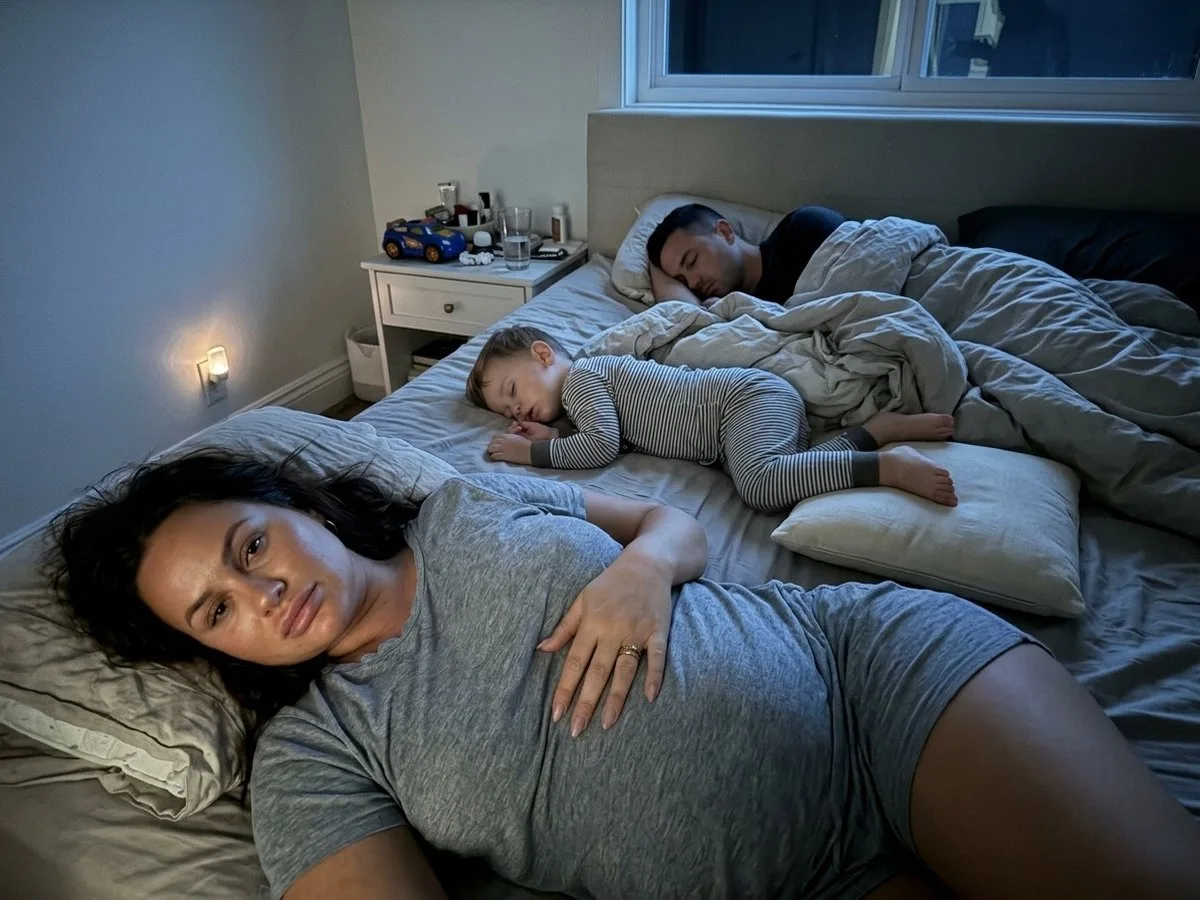
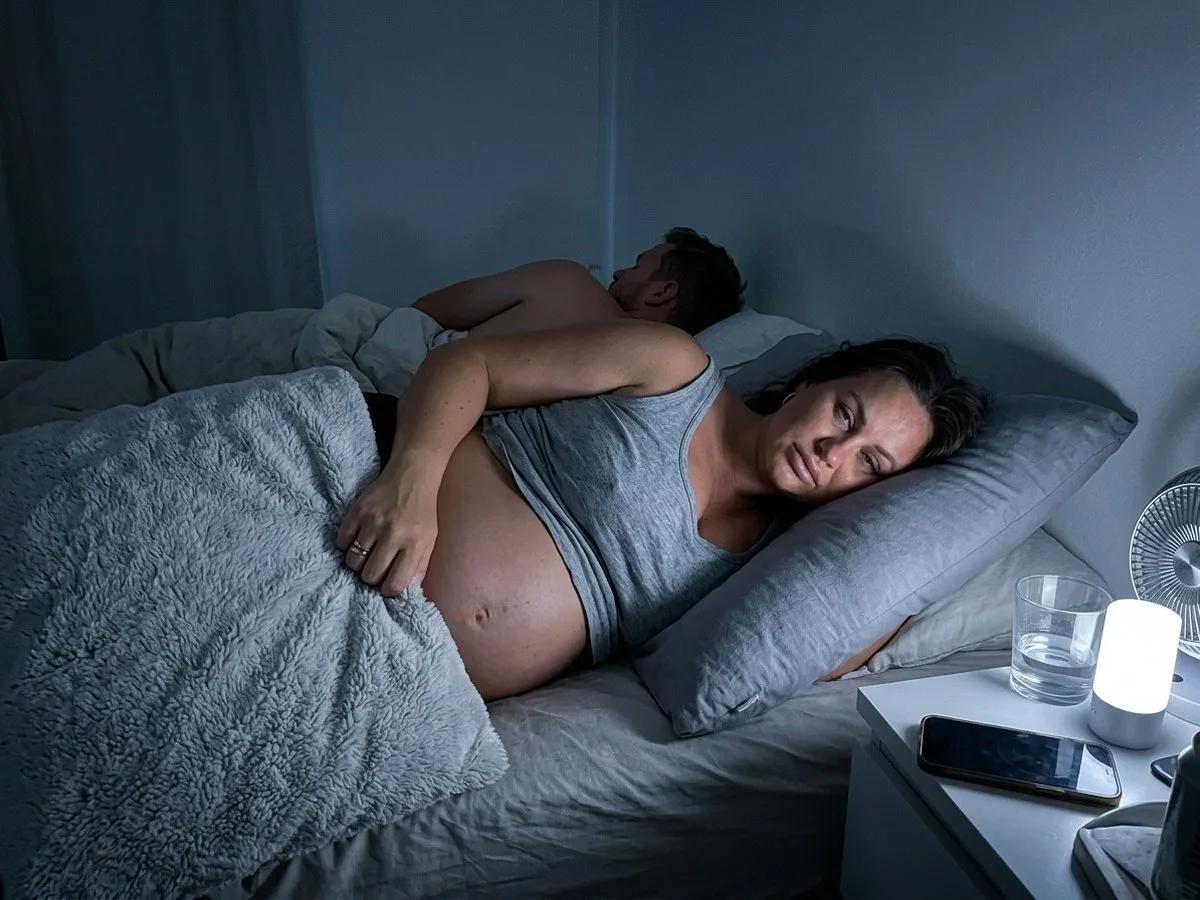
1:20 a.m., late July
I was 24 weeks and I had picked my first pillow for one reason: the cover looked like a cloud. Thick, plush, the softest thing in the store photos.
By July I was lying with my arm out of the duvet, pulling the plush away from my belly every time I woke. Danny asked if I wanted the fan on. It was already on. I still loved how it felt at ten o'clock. I just could not stand it at one.
So I ordered a second cover in something else. That one was so slippery the pillow drifted off the sheet every time I turned. Two covers, two different problems, and I still could not tell you what either one was made of.
"the velor cover gets a bit warm in the warmer weather"Amazon review of a pregnancy pillow
"there were so many pillows with too silky a fabric making it slip around and loose support"Amazon review of a pregnancy pillow
The name on the listing told her nothing. The label would have told her most of it.
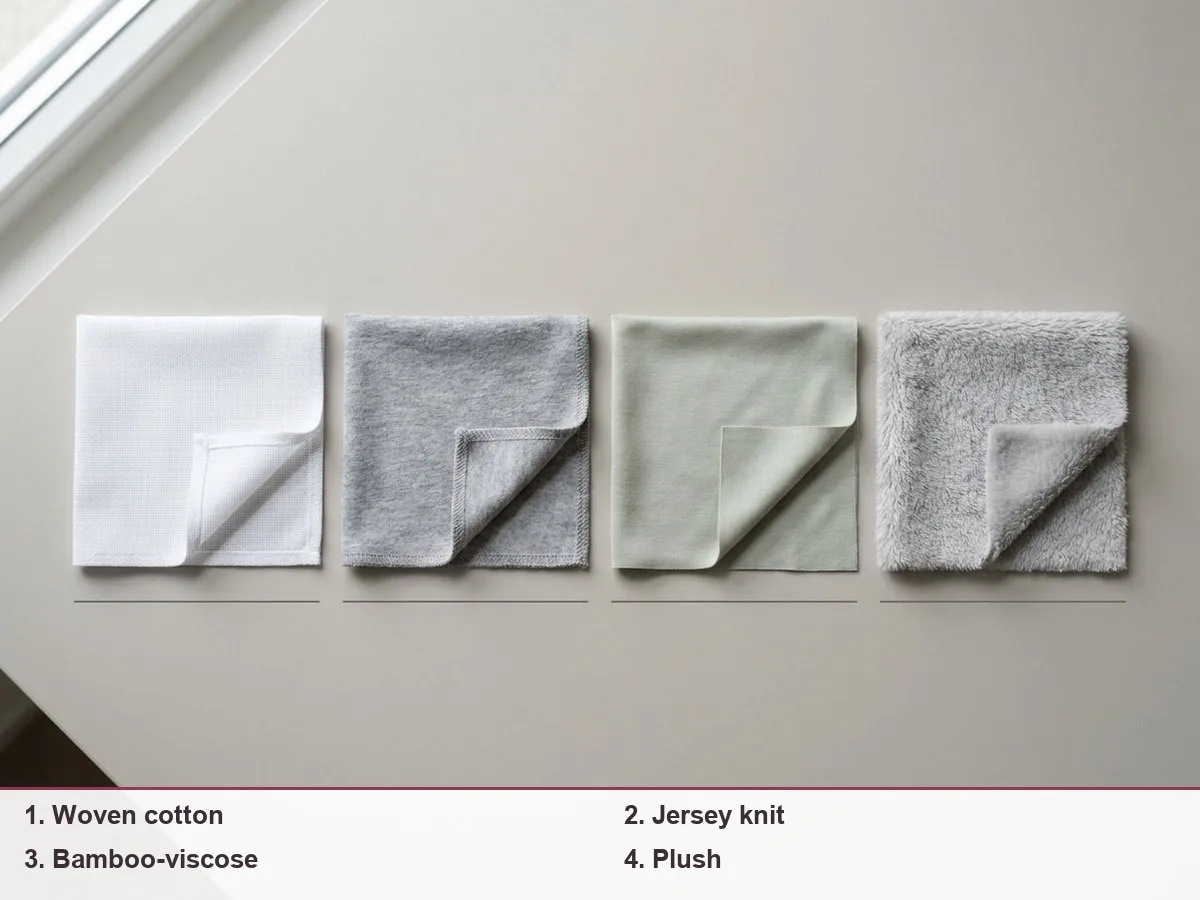
How do cotton, jersey, bamboo-viscose and plush covers compare?
They differ in two ways: what the fiber is, and how it is built into fabric. A woven cotton and a cotton jersey are the same fiber and feel completely different.
| Woven cotton (percale, sateen) | Jersey knit | Bamboo-viscose | Plush, velour, minky | |
|---|---|---|---|---|
| What the label says | Cotton, often 100% | Cotton, often with a little elastane or spandex | "Viscose (or rayon) made from bamboo", often blended with cotton | Usually polyester |
| How it is made | Woven, tight grid | Knitted loops, like a T-shirt | Usually knitted as jersey | Knitted with a raised pile |
| First feel | Smooth, crisp, cool to the touch at first | Soft, worn-in | Smooth, slightly slinky | Fuzzy, cosy, the softest in the hand |
| Fits a curved pillow | Can wrinkle on curves | Stretches to fit | Stretches to fit | Some stretch |
| Grip on the sheet | Medium | Medium | Can feel slippery | Grippy |
| Washing to check | Shrinkage, ironing | Shape after drying | Gentle cycle, low heat | Pile can flatten or pill |
Notice there is no "coolest" row. How warm a cover sleeps depends on the whole pillow, your room and your body, not the fabric's name. We compare cooling claims in a separate guide.
Is a woven cotton cover a good choice?
Woven cotton suits you if you like the feel of crisp sheets. It is easy to understand from the label and usually takes a normal wash.
The trade-off is shape. A woven fabric does not stretch, so on a curved U or C pillow it can bunch into folds, and those folds are what you feel under your arm at night. Look for a cover cut to the pillow's shape. Cotton can also shrink a little, so check whether the care label says to wash cool.
What is a jersey pregnancy pillow cover like?
Jersey is the knit used in T-shirts. It feels soft from the first night and stretches smoothly over curves, which is why so many pillow covers use it.
Most jersey covers are cotton with a small share of elastane or spandex for stretch. That stretch is useful on a curved pillow and on wedges, because the fabric stays flat instead of folding. After many washes, cheaper jersey can lose some spring. Dry it the way the label says.
Is a bamboo cover really bamboo?
Usually not in the way it sounds. Most fabric sold as bamboo is viscose, also called rayon, made from bamboo pulp, and US rules expect it to be labeled that way.
That does not make it a bad fabric. Bamboo-viscose jersey is smooth and drapes nicely, and many covers blend it with cotton. But the claims that come with the word bamboo are the seller's own, so read the fiber line, not the headline. A label like "70% viscose from bamboo, 30% cotton" tells you far more than "bamboo cover".
Smooth fabrics can also slide. If your pillow already drifts on the sheet, a slinky cover may make that worse.
Should you choose a plush or velour cover?
Choose plush if softness and grip matter most to you. The raised pile feels cosy and holds the pillow on the sheet better than a slippery knit.
The common complaint, as Chloe found, is that some people find it too warm in summer, while others love it all year. A ribbed plush has channels in the pile, which changes how it feels against skin. Plush is usually polyester, so check the label, and wash it the way it says. Hot drying can flatten the pile.
How do you check a cover before you buy?
Find five things on the listing or ask the seller. If you cannot find them, that is your answer about how much the seller knows.
- Fiber content with percentages, for the outer cover.
- Woven or knit, and whether it stretches.
- Whether the cover comes off, and where the zipper sits.
- Separate care instructions for the cover and the insert.
- Whether replacement or spare covers are sold for that exact model.
That last one matters more than it looks. Makers often limit a spare cover to one specific model, so a cover sold for a similar-looking pillow may not fit. For washing the whole pillow, see our guide on how to wash a pregnancy pillow.
What changed once she read the labels?
She stopped buying by photo. She chose the surface she wanted, then checked it on the label.
Chloe kept the plush cover for cool nights, because she still loved the feel. For August she found a cotton jersey cover that listed its exact fiber split and fit her model. It stayed put on the sheet and she could wash one while using the other.
"I did not need the perfect fabric," she told her sister. "I needed to know what I was buying."
Frequently asked questions
What is the best fabric for a pregnancy pillow cover?
There is no single best fabric. Woven cotton feels crisp, jersey stretches over curves, bamboo-viscose is smooth, and plush is the softest and grippiest. Pick the feel you like, then check the fiber content and care label.
Is bamboo better than cotton for a pregnancy pillow cover?
Not automatically. Most bamboo fabric is viscose made from bamboo pulp. It feels smooth and soft, but how it sleeps depends on the product. Compare the full fiber label rather than the word bamboo.
Is a velour or plush pregnancy pillow cover too hot?
Some people find plush warm in summer and others do not. It depends on your room, bedding and body. If you run warm, a spare cover in another fabric gives you an option for hot months.
Can I put any cover on my pregnancy pillow?
Only one made for that model or its exact shape and size. Makers often limit a spare cover to a single model, so check the model name before you order.
Should I wash a new pillow cover before using it?
Many people do. Follow the care label for that cover, and wash the cover and insert separately if the label says so.
Where the Relvay 3-Piece fits in
Relvay does not sell separate replacement covers, so we are not the answer if you need a new cover for a pillow you already own. If you are still choosing a pillow, our 3-Piece set has a ribbed plush cover in pink with white sides. Our catalog lists the cover as removable and washable. We have not yet published the full fiber composition on the product page, so email us and ask before you order if the label matters to you.
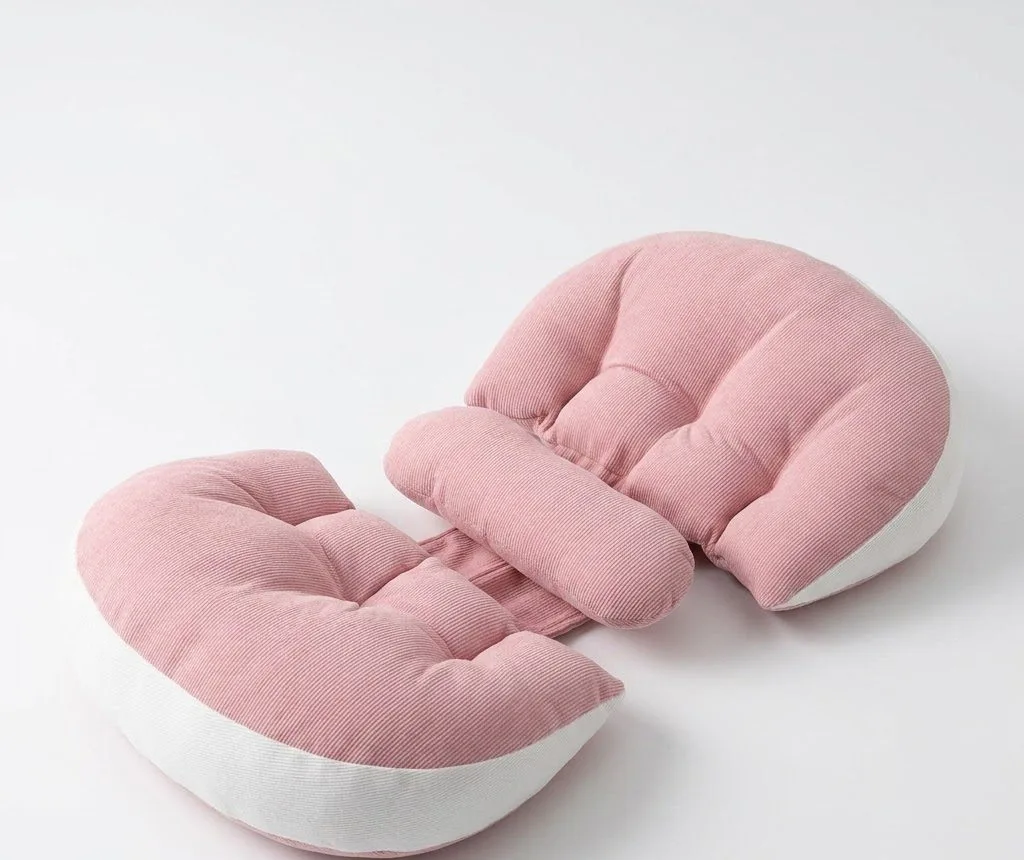
Two wedges for bump and back, joined by a flat strap, about as wide as your torso. Keep a regular pillow between your knees. $79.99, 90-day returns.
Not the right pick if
- You only need a new cover for a pillow you own.
- You want cotton or jersey against your skin.
- You need the exact fiber label before you buy and cannot wait for a reply.
Worth a look if
- You like a soft, grippy plush feel.
- You want bump and back support without a full-body pillow.
- You want 90 nights to decide.
Choosing a whole pillow, not just a cover? Start with our pregnancy pillow buying checklist, and read about what is inside the pillow.
Chloe's story is a composite based on real reviews and public posts from pregnant sleepers. Names and details are changed.