Relvay makes a pregnancy pillow. We also tell you below when you should not buy one.
The short answer
Resting with your feet up is a common NHS suggestion for everyday pregnancy swelling, and a leg pillow is one way to do it. Sudden swelling of your face, hands or feet is different: call your maternity unit first.
- Call first: sudden swelling, bad headache, vision changes.
- Call today: one leg swollen and painful.
- Then measure: the pillow against your bed or sofa.
Can you use a leg elevation pillow while pregnant?
Many people do. The NHS suggests resting with your feet up as much as you can when your ankles and feet swell. What we did not find is a pregnancy source that sets a height, angle or number of hours, so treat those as comfort choices and ask your midwife or OB-GYN about your own legs.
6:40 p.m.
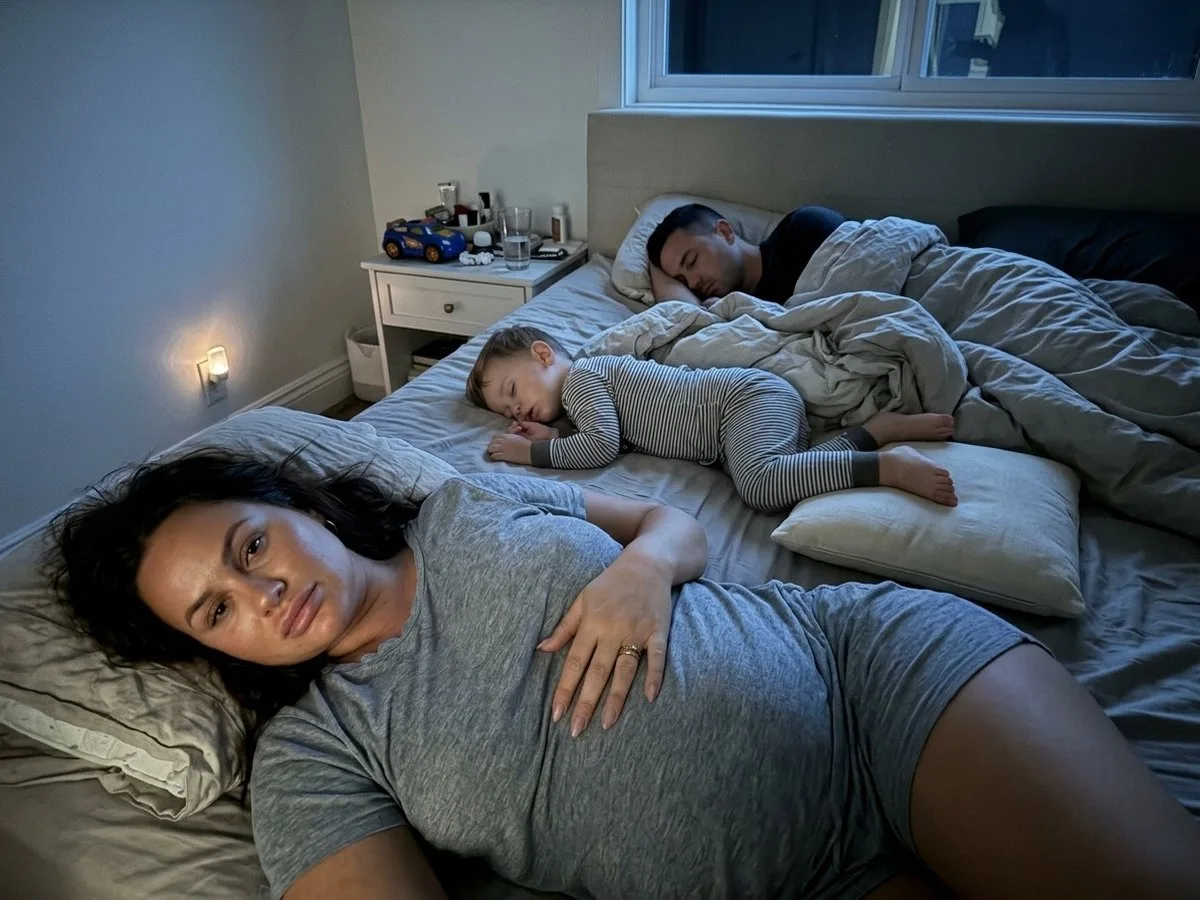
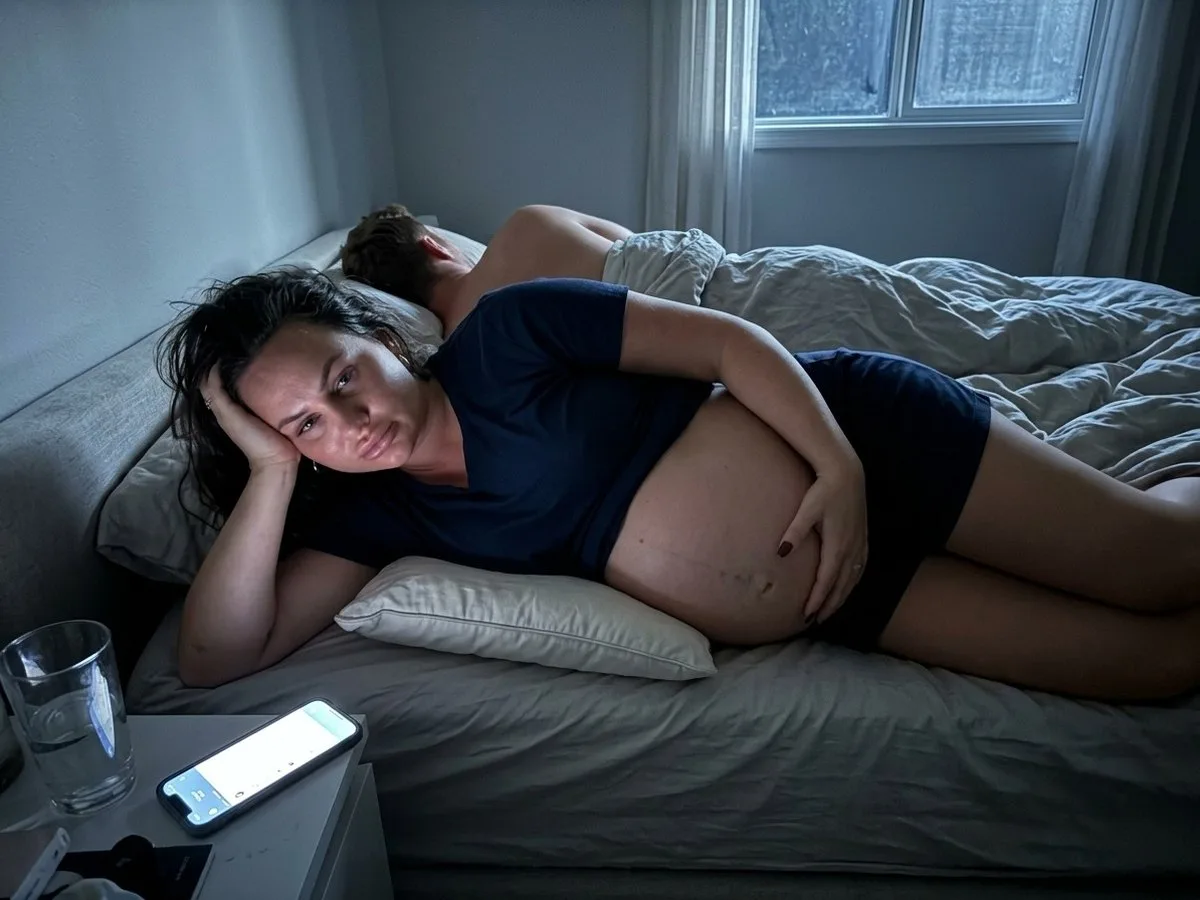
I was 33 weeks and my sock lines stayed in my ankles for an hour after I took them off. I work on my feet until four. By dinner my shoes felt a size small.
I had a foam leg wedge in my online cart and two pillows already stacked on the couch arm. Then my sister texted: is the swelling new? Did it come on fast? I realized I had no idea which kind of swelling I had. I had just assumed.
Before you choose a pillow, name the swelling. The pillow comes second.
Which swelling signs mean call first, not prop up?
Call your maternity unit, midwife or doctor straight away for sudden swelling of your face, hands or feet, especially with a bad headache, vision changes or pain below your ribs. The NHS lists these as possible signs of pre-eclampsia.
| What you notice | What to do |
|---|---|
| Sudden swelling of your face, hands or feet | Call your maternity unit or midwife now. Do not wait to see if rest helps. |
| A very bad headache, blurred vision or flashing lights | Call now, even if your legs look normal. |
| Severe pain just below your ribs, feeling very unwell, or being sick | Call now. |
| One leg swollen, with throbbing pain, warmth or skin color change | Call your doctor or midwife the same day. The NHS says pregnancy raises the chance of a clot in the leg. |
| Shortness of breath or chest pain | Call 911 or your local emergency number. |
| Both ankles a bit puffy by evening, better after a night's rest, none of the above | Comfort swelling. Mention it at your next visit, and read on. |
If you are unsure which row you are in, call. Midwives and labor units would much rather hear from you early.
How do you measure a leg pillow against your bed or sofa?
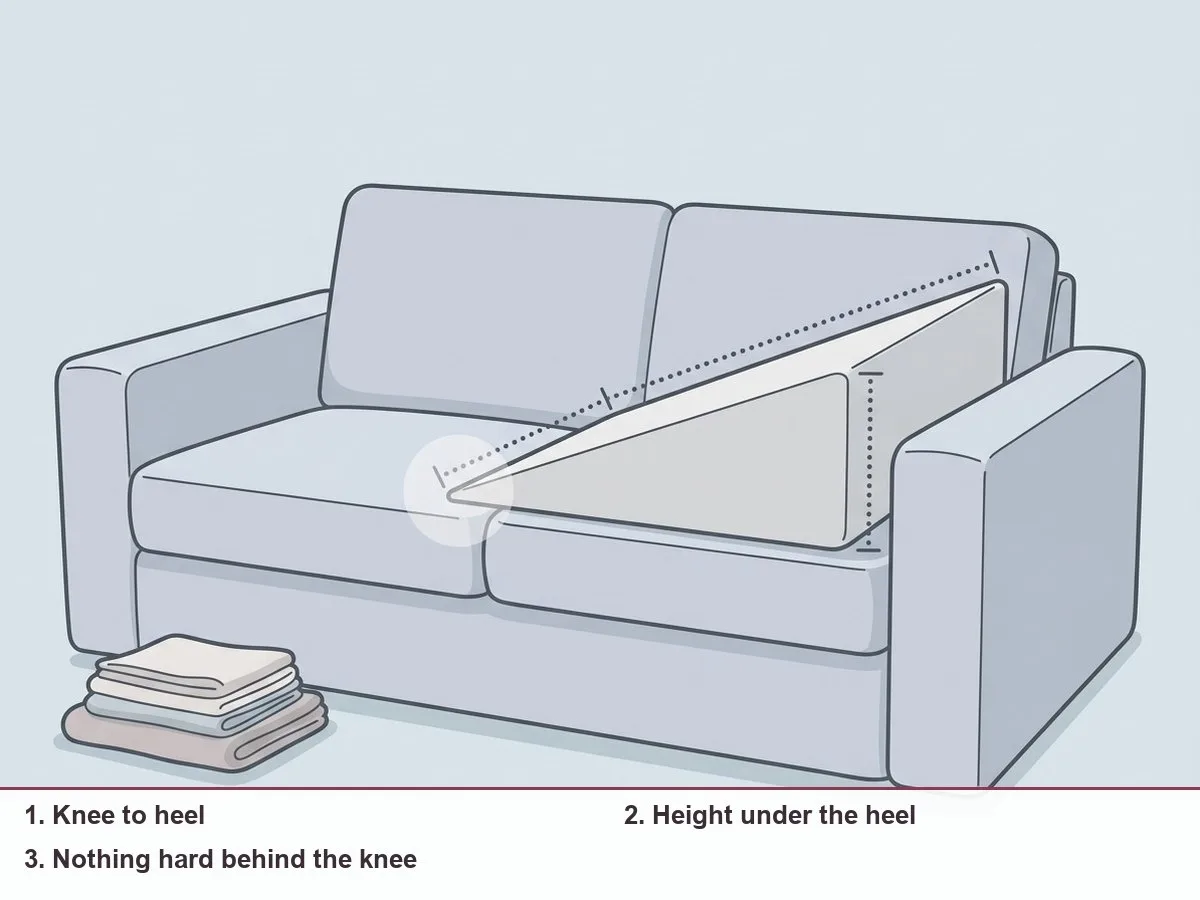
Measure where your legs will actually rest, then check the pillow supports your whole calf and heel without a hard edge behind your knee. A pillow that fits a recliner may not fit your sofa or your bed.
| Check | How to measure | What to look for |
|---|---|---|
| Length of your support area | Sit or lie where you will rest. Measure from the back of your knee to your heel. | The pillow is at least that long, so your heels are not hanging off the end |
| Height you are comfortable with | Stack folded towels or pillows under your calves until it feels good. Measure the stack. | A pillow close to that height. Taller is not automatically better. |
| Slope | Notice whether you like your feet level with your knees or a little higher. | A gentle slope with your knees slightly bent, not locked straight |
| Width of your space | Measure the sofa seat depth or your half of the bed. | The pillow fits without hanging off the edge or pushing your partner out |
| Edge behind the knee | Lie on it for five minutes. | No hard ridge pressing into the back of your knee |
| Getting up | Try standing up from it. | You can swing your legs off without a struggle |
Do the towel-stack test before you buy anything. If folded towels feel right for a week, you may not need a special pillow at all.
Should you sleep with your legs propped up?
Resting with your feet up in the evening is different from sleeping that way all night. The NHS advises going to sleep on your side, so a leg pillow that only works while you lie flat on your back is a daytime rest setup, not a sleep setup.
- Evening rest: on the sofa or propped up in bed, feet up for a while, then move around.
- Going to sleep: on your side, with a pillow between your knees and ankles if that feels better.
- Waking on your back: the NHS says not to worry, just turn onto your side again.
- Long stretches still: get up and walk around regularly. The NHS lists long periods of not moving, such as being confined to bed, among things that raise the chance of a clot.
If you have been told to rest a lot, ask your care team how to set up your legs for your situation, and how often to move.
What should you ask your midwife or OB-GYN about your legs?
Ask whether your swelling looks like the everyday kind, how to rest your legs, and what would make it a call. Bring a few notes so the answer fits you.
- When the swelling started, and whether it came on slowly or suddenly.
- Whether it is both legs or one, and whether it goes down overnight.
- Any headaches, vision changes or pain under your ribs.
- How many hours you stand or sit at work.
- Is resting with my feet up a good idea for me, and for how long at a time?
- Do I need anything else, such as compression? Our guide to compression socks at night covers the questions for that.
Darla called her midwife the next morning instead of ordering the wedge. The swelling had come on slowly over two weeks, both ankles, better by morning, and her blood pressure was fine at the check that week. Her midwife said to keep resting with her feet up after work and to call straight away if her face or hands swelled. Darla used two folded towels on the couch for a week, liked the height, and only then went looking for a pillow that matched it.
"Im 28 weeks and so uncomfortable no matter if i use a support cushion or not. I just find it so hard to sleep."YouTube comment on a pregnancy sleep video
Frequently asked questions
Is it okay to elevate your legs while pregnant?
For everyday swelling, the NHS suggests resting with your feet up as much as you can. Ask your midwife or OB-GYN about your own legs, especially if the swelling is new or one-sided.
How high should I elevate my legs during pregnancy?
We did not find a pregnancy source that sets a height. Use folded towels to find what feels comfortable, with your knees slightly bent and your whole calf supported, and ask your care team if you are unsure.
Can I sleep with my legs elevated while pregnant?
The NHS advises going to sleep on your side. Feet-up resting on your back is better kept for daytime or evening rest. If you have been told to rest a lot, ask your care team how to set up your legs.
When is swelling in pregnancy an emergency?
Sudden swelling of your face, hands or feet, a very bad headache, vision changes or pain below your ribs need a call to your maternity unit right away. One painful swollen leg needs a same-day call.
Does a leg pillow reduce swelling?
We cannot promise that, and no pillow should replace a check-up. Resting with your feet up is a common suggestion for comfort; a pillow is just a steadier way to do it.
If your nights are the harder part, our pregnancy pillow buying checklist helps you decide whether regular pillows will do first.
Darla's story is a composite based on public posts and reviews from pregnant people. Names and details are changed.