Relvay makes a pregnancy pillow. We also tell you below when you should not buy one.
The short answer
A pregnancy pillow can often sit alongside CPAP, but nobody can promise a fit for your mask without seeing it. Sketch where the pillow, mask and hose go, and show that layout to whoever manages your CPAP before you switch.
- Keep your prescribed settings and mask as they are.
- Check nothing presses the mask or tugs the hose.
- Ask your sleep team if pregnancy changes your setup.
Why does a new pillow matter if you use CPAP?
Because a CPAP mask only works when it seals well on your face, and anything that changes how your head lies or pushes on the mask can change that seal. A new pillow can also change where the hose has to run.
11:30 p.m.
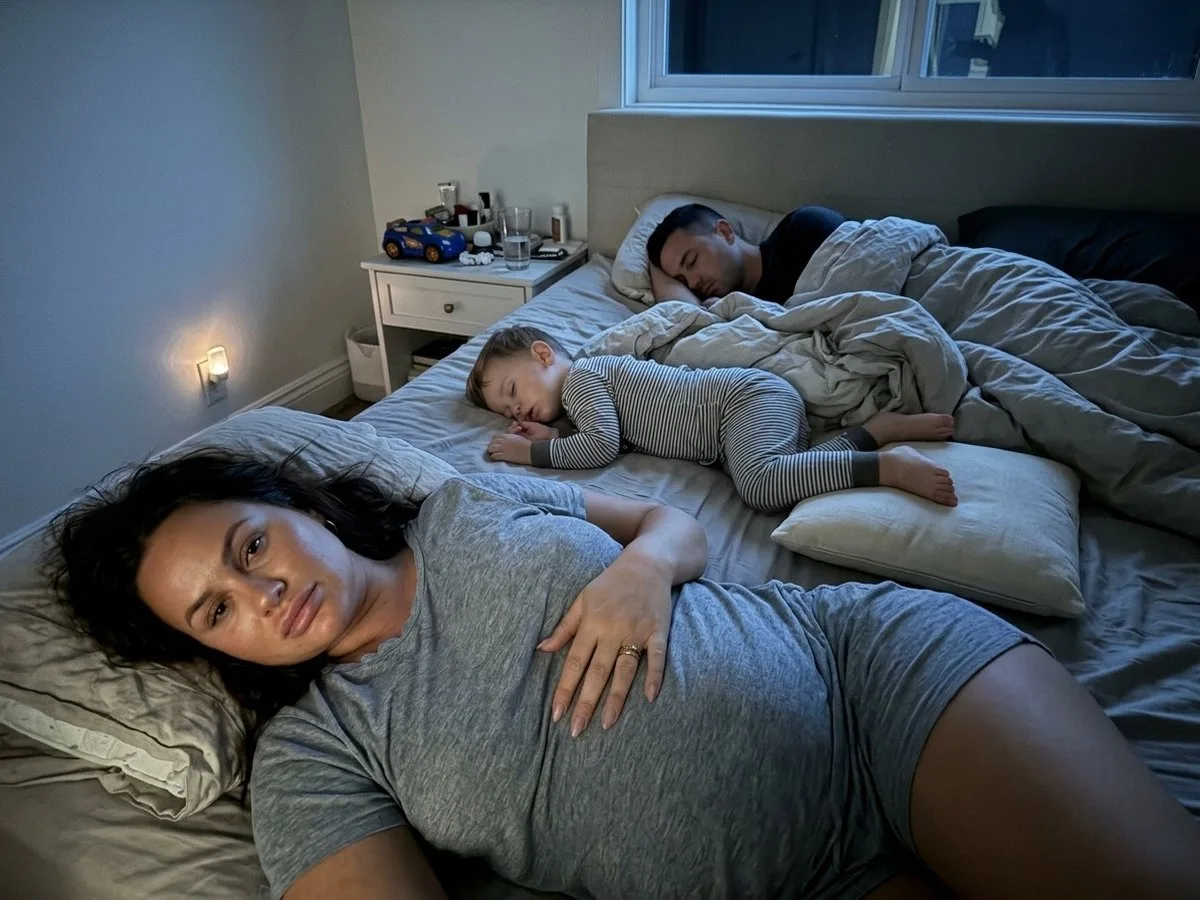
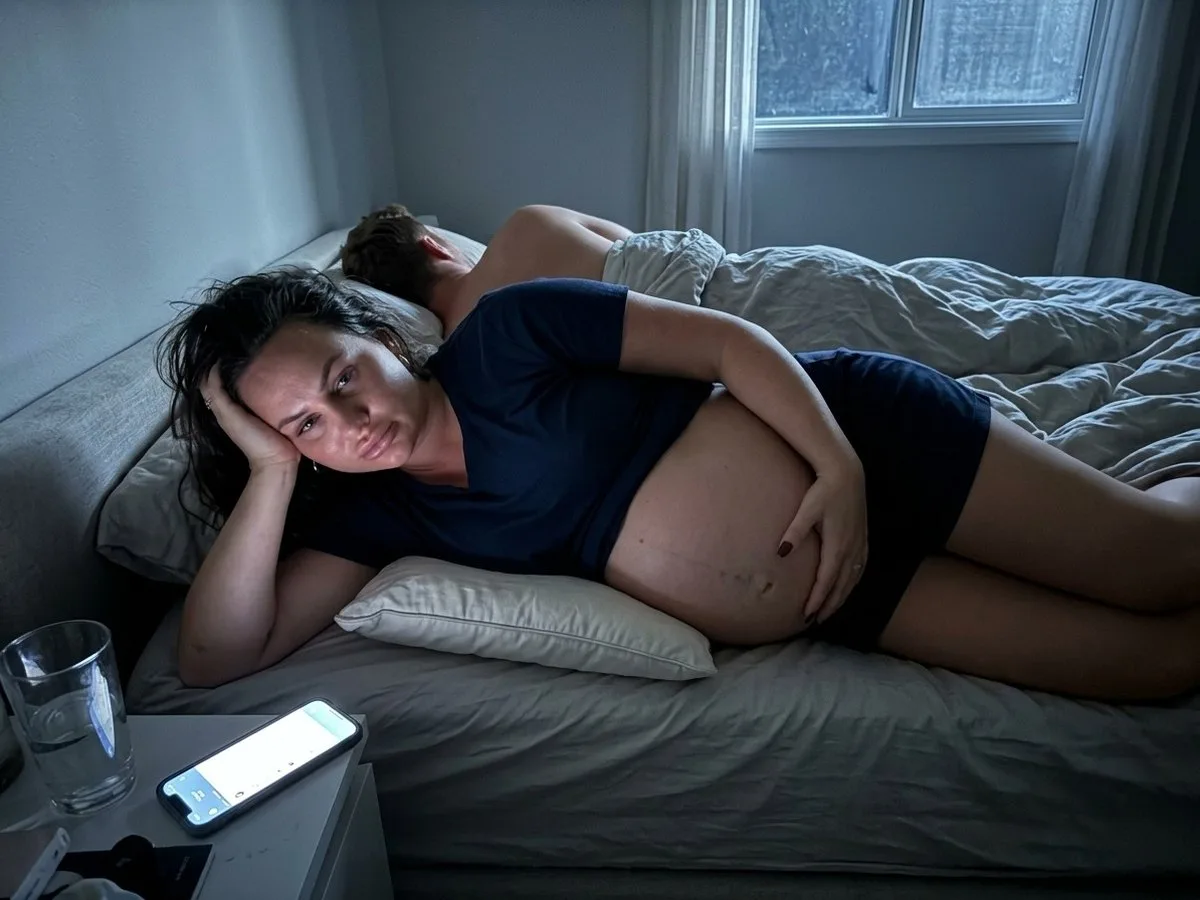
I was 24 weeks and had used CPAP for two years. My midwife suggested more support for my bump and back on my side. I brought home a big pillow, set it all up, put my mask on, and lay down.
The top curve of the pillow sat right against the side of my mask. Every time I moved, it nudged the cushion and I heard the hiss of a leak. The hose had to cross the pillow to reach the machine. I lay there thinking: who do I even ask about this?
Pregnancy itself can change things too. The US National Heart, Lung, and Blood Institute says pregnancy can bring changes in the upper airway, that sleep apnea is often more serious in the third trimester, and that a sleep specialist may need to adjust CPAP settings during and after pregnancy. It also says CPAP is safe to use for sleep apnea during pregnancy.
The pillow question is really a mask and hose question. That belongs with the people who set up your CPAP.
What should your pillow and CPAP layout sheet show?
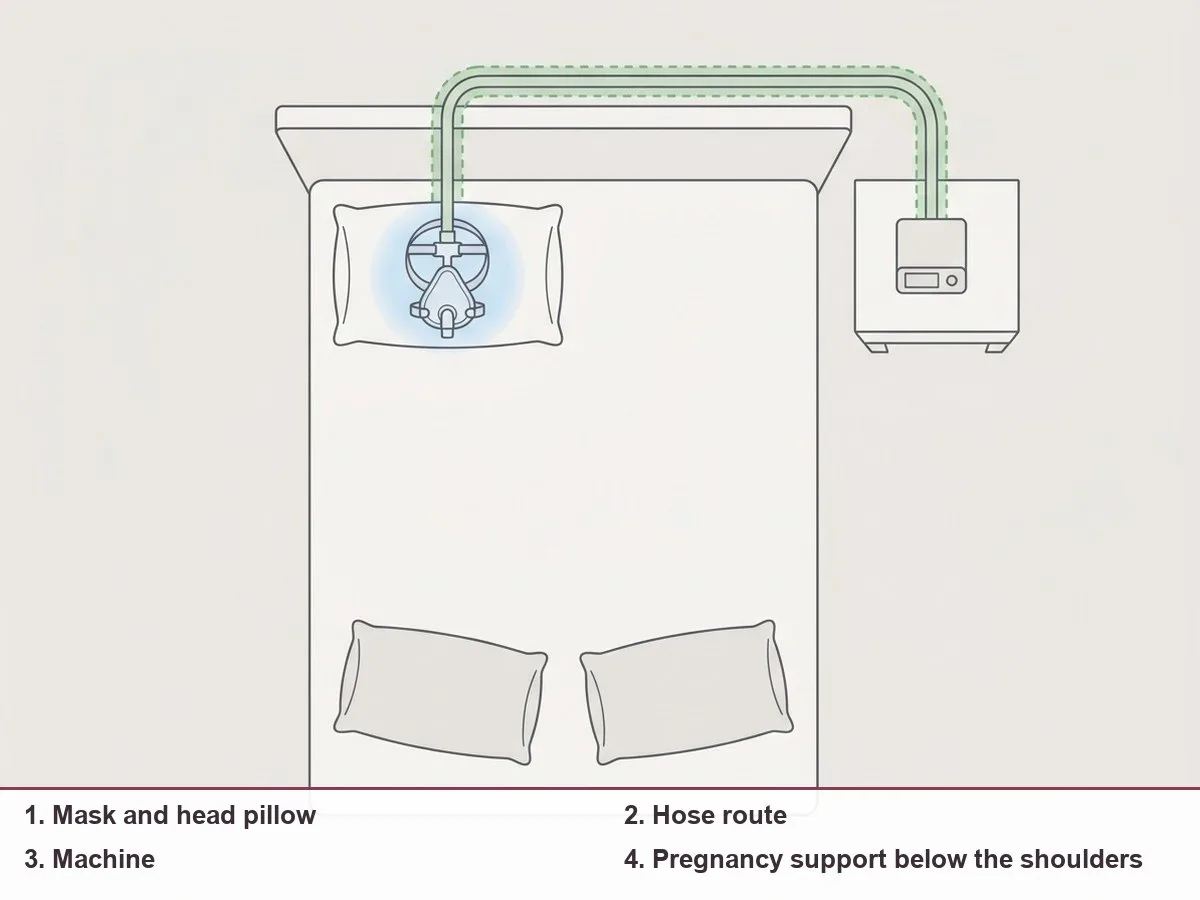
One page with a simple sketch and two photos: where your head pillow, pregnancy pillow parts, mask, hose and machine sit when you lie down for sleep. That is enough for someone to spot a clash.
| Item | What to note |
|---|---|
| Mask | Type you were given (for example full face or nasal), and the model name if you have it. |
| Head pillow | The one you use now and roughly how thick it is. Say if the new setup changes it. |
| Pregnancy pillow | Shape and each part: what goes under the bump, behind the back, between the knees. Where its top edge sits next to your face. |
| Sleep side | Which side you sleep on, and whether you switch in the night. |
| Hose route | Which side of the bed the machine is on, and whether the hose crosses the pillow, runs over the headboard, or hangs down. |
| What you noticed | Any pressing on the mask, leak sounds, hose tugging when you turn, or new marks on your face. |
Ask someone to take two photos with your mask on and the pillow in place: one from the side of the bed, one from above. Do not change your mask, straps or machine settings to make the photos look better. The point is to show what really happens.
Who should review your setup, and what should you ask?
Ask whoever manages your CPAP: your sleep clinic, the doctor who prescribed it, or your equipment supplier. Tell your midwife or obstetric team too, so everyone knows you use CPAP in pregnancy.
- Does my mask still seal well with this pillow layout?
- Is this hose route okay when I turn over?
- Is my current mask a good match for side sleeping with a bump, or should I be refitted?
- Do my settings need checking as pregnancy goes on?
- Is there anything about my pillow I should not do?
Bring the sheet and photos. It turns a vague worry into five questions someone can actually answer. Any change to the mask, the fit or the settings is their call, not the pillow's and not this guide's.
What can you check at home without changing your equipment?
You can watch how the pillow and the mask behave together, without touching any setting. Try the layout while awake first, then note what you see.
- Lie down awake in the full setup, mask on, machine running as normal, for ten minutes.
- Feel for pressure. Is any part of the pregnancy pillow touching the mask or straps?
- Listen for leaks when you settle and when you shift.
- Turn over once, slowly. Does the hose tug, catch on the pillow or pull the mask?
- Note what you found on your sheet. If your machine or app shows a leak or mask-fit reading, write that down too, but do not change anything.
A support layout that keeps the pillow below your shoulders, away from your face, often leaves the head area the same as before. Whether that is right for you is still for your CPAP team to confirm.
When should you contact your care team sooner?
Contact them soon if you cannot get your mask to seal, if CPAP feels much harder to use than before, or if your old symptoms come back. Do not wait for a routine appointment to sort out a mask that is not working.
- Mask leaks you cannot settle, or you keep taking it off in your sleep.
- Snoring or tiredness that is creeping back.
- New morning headaches or feeling unrested despite using CPAP.
- Any breathing symptom that worries you, day or night.
The NHS advises telling your doctor if you find CPAP uncomfortable or hard to use. In pregnancy, tell your midwife or obstetric team as well. If you have any urgent breathing problem, get urgent help.
Carmen took her layout sheet to her sleep clinic. They checked her mask with the pillow set lower, below her shoulders, and the hose routed over the headboard instead of across the pillow. They also booked a settings review for later in her pregnancy. She told her midwife the same day.
Frequently asked questions
Can I use a pregnancy pillow with a CPAP machine?
Many people do, but it depends on your mask, your sleep side and the pillow's shape. Sketch the layout and ask your sleep clinic or CPAP supplier to check it before you rely on it.
Is CPAP safe in pregnancy?
The US National Heart, Lung, and Blood Institute says breathing devices such as CPAP are safe to use for sleep apnea during pregnancy, and that settings may need adjusting as your body changes.
Can I change my CPAP pressure myself if the mask leaks?
No. Leave settings to the team that prescribed your CPAP. Note the leak on your layout sheet and contact them.
Do I need a special CPAP pillow in pregnancy?
Not necessarily. Some pillows are sold for CPAP users, but that is a question for your sleep team. Bring your layout sheet and ask whether your current head pillow and mask work with your pregnancy support.
Where should the pregnancy pillow go if I use CPAP?
Many layouts keep pregnancy support at the bump, back and knees, below the shoulders, so the head area stays as it was. Ask your CPAP team to confirm it for your mask.
Once your CPAP team is happy with the head area, our guide to adjustable versus full-body pregnancy pillows compares shapes by how much of the bed and the face area each one takes.
Carmen's story is a composite based on public posts from pregnant people who use CPAP. Names and details are changed.